Tyres fail at inconvenient moments. A slow puncture you meant to check becomes a flat on the school run. A sidewall bruise from last week’s pothole opens up at 11 p.m. on the motorway shoulder. Fleet drivers find a screw in the tread during first deliveries at 5 a.m. The promise behind 24/7 mobile tyre fitting is simple enough: trained technicians come to your vehicle, wherever it is, fit or repair a tyre on the spot, and get you rolling again with minimal disruption. Done properly, it is far more than a convenience service. It is a disciplined blend of safety practice, diagnostic skill, logistics, and inventory management that needs to work around the clock.
This guide draws on shop-floor reality as much as technical standards. You will find what actually happens curbside and roadside, what to expect from an emergency mobile tyre fitting, how decisions are made between repair and replacement, and how to avoid common pitfalls that cost time and money.
How mobile tyre fitting works when it works well
A well-run 24 hour mobile tyre fitting operation behaves like a small, moving workshop with a dispatch brain. The van arrives with bead breakers, dynamic or road-force balancers, torque-limited impact wrenches, a compressor capable of seating stubborn beads, tyre pressure monitoring system (TPMS) tools, jacks and stands rated for SUVs and vans, and a stock matrix chosen from local failure patterns. The fitter starts with a safety risk assessment, stabilises the vehicle, evaluates the damage, and chooses a repair method that aligns with British Standards and manufacturer guidance. If a repair is not safe or permissible, they replace the tyre with the correct size, load index, and speed rating, reset the TPMS, and record the torque values. The whole visit typically takes 30 to 60 minutes, longer if access is difficult or the wheel is seized to the hub.
The unseen half is triage. Dispatchers ask the right questions up front: exact tyre size, wheel type, parking environment, drivetrain, locking wheel nut availability, presence of run-flats, and any TPMS warnings. Good dispatch avoids sending the wrong stock, especially for unusual sizes like 255/40 R20 XL or commercial fitments such as 235/65 R16C. It also staggers jobs to balance urgent callouts with scheduled fleet visits so the 24 hour tyres supply stays viable through the night.
Where the service earns its keep
Most people call for 24 7 mobile tyre fitting in one of four situations: a roadside blowout, an immovable vehicle on a driveway or car park, a commercial downtime scenario, or an out-of-hours puncture that can’t wait for morning. Patterns are predictable. Late evening calls often involve kerb strikes and pothole damage. Early morning calls lean toward slow leaks that finally gave up. Weekend calls skew to motorway debris. Each scenario dictates different safety controls.
On a motorway shoulder, the fitter will position the van for shielding and may request police or highway agency support if the lane is narrow or visibility is poor. On a sloped driveway, they will block the downhill wheel and choose a jacking point that suits the gradient. In multi-storey car parks with low ceilings, wheel removal might move to a safe space near the entrance to achieve proper working height. Rain, snow, and heavy wind complicate bead seating and torque accuracy, so experienced fitters adjust technique and double-check pressures when conditions cool a warm tyre or warm a cold one.
When a tyre is repairable, and when it is not
Customers often ask for a simple patch to save time and money. A sound repair is sometimes the best outcome, but the rules are stricter than people expect. For passenger vehicles, a puncture is typically repairable if it is:
- In the central tread area, away from the shoulder and sidewall, and no larger than about 6 mm for standard tyres or 3 to 4 mm for higher speed ratings.
Anything in the sidewall or shoulder, any run-flat that has been driven too long at zero pressure, any cut that exposes cords, or any damage showing internal heat discolouration is unsafe to repair. Temporary string plugs from the outside are stopgaps only. A proper repair means removing the tyre, inspecting the interior for secondary damage, clearing the injury channel, installing a mushroom plug-patch from inside, and balancing. If you see a technician reach for a purely external plug and call it done, they are leaving you with an unreliable fix.
For heavy-load or commercial-casing tyres, thresholds differ slightly because of construction, but the principle holds: the repair must restore integrity within the manufacturer’s and standards body’s tolerance. When in doubt, expect the fitter to choose emergency tyre replacement rather than force a repair. You want a conservative decision here. Heat and sidewall flex do not forgive optimistic fixes.
The truth about run-flats, TPMS, and modern wheels
Run-flat tyres complicate emergency tyre fitting. They let you drive at reduced speed for a limited distance after pressure loss, but each kilometre at low or zero pressure generates heat that destroys internal structure. By the time a driver calls for emergency tyres after limping home, the casing may be beyond repair regardless of where the puncture occurred. Proper assessment requires demounting and inspecting the inner liner and bead areas for heat rings and delamination. Many run-flats can be repaired only if the injury is small and central, and only if the tyre was not driven flat beyond the limits in the handbook. Expect a replacement more often than not.
TPMS sensors are another point of failure during 24 hour tyre repair visits. Rubber valve stems degrade, metal stems corrode, and sensor batteries die after 5 to 10 years. A competent fitter carries service kits with new seals, nuts, and valve cores, and has a TPMS programmer to register new sensors when necessary. The quickest way to turn a 30 minute callout into a 90 minute one is a seized TPMS nut that shears. Patience and the right lubricant prevent expensive mistakes, as does a stock of common sensor types.
Wheels matter. Diamond-cut alloys scar easily, painted finishes lift with careless hammering, and steel rims can fuse to hubs with corrosion. When the wheel refuses to budge, controlled vibration and targeted corrosion release agents are safer than brute force. A thin smear of high-temperature, non-copper hub paste on reassembly prevents a repeat.
What a good emergency mobile tyre fitting visit looks like
You should feel an orderly flow from arrival to departure. The fitter confirms your details, checks the environment for hazards, and stabilises the vehicle. Wheel nuts are You can find out more cracked while the vehicle is on the ground, jacking points are used correctly, and the wheel is removed without damaging the rim. If a repair is viable, the tyre is demounted for internal inspection, cleaned, prepared, patched from inside, and remounted. If replacement is required, the correct specification is matched.
Balancing is non-negotiable even at the roadside. Unbalanced wheels cause vibration that can feel like a suspension fault. The fitter will add stick-on or clip-on weights, then recheck. Tyre pressures are set to the vehicle’s placard values, not a guess. Torque is applied to the manufacturer’s specification with a calibrated wrench, and locking wheel nuts are set last by hand to avoid over-tightening. TPMS is reset or relearned. You receive a record of work with tyre size, load/speed index, pressure, DOT code, and torque value. Nothing about that process should feel rushed or improvised.
Matching the right tyre, not just any tyre
In an emergency tyre change, the temptation is to accept the first tyre that “fits.” That is a false economy. You need the same size, but also the correct load index and speed rating, and ideally a pattern that suits your use. For electric vehicles and hybrids, low rolling resistance and reinforced constructions reduce noise and handle torque spikes. For SUVs, XL or reinforced versions may be mandatory. For vans, look for the C or RF mark indicating commercial casing. Mismatching a single tyre can upset stability control and all-wheel-drive systems, especially on vehicles sensitive to rolling circumference differences.
Dispatchers who ask you to read the full sidewall code are not being fussy. 225/45 R17 91W and 225/45 R17 94Y XL are different animals under load. If your car runs staggered sizes, make that clear. If you have directional tyres, a temporary cross-axle swap may be needed to maintain correct rotation until a matching tyre can be sourced. Experienced fitters carry a small matrix of popular sizes for 24 hour tyre fitting, but unusual premium sizes may require a follow-up visit. If your job can accept a safe temporary fitment to get you home, the fitter will explain the limitations and arrange prompt replacement.
The economics behind after-hours service
You pay for speed, stock availability, and the risk of working in suboptimal conditions. Callout fees vary by region, time, and access. Expect a surcharge for night and bank holiday jobs, and a higher rate for motorway shoulders where safety procedures slow the job. Tyre prices tend to align with daytime retail, though niche sizes can be higher if sourced from a limited after-hours depot. A transparent invoice will separate callout, tyre, valve/TPMS service kit, balancing, environmental disposal, and any roadside safety charge.
From an operator’s view, holding inventory for 24 hour tyres is a balancing act. Stock too little, and you miss fixes. Stock too much, and rubber ages on shelves. The sweet spot is informed by local data: pothole seasons, fleet mix, and common wheel sizes in the service area. That is why your suburb may always have 205/55 R16 and 225/40 R18 available, while a 295/35 R21 might require morning delivery.
Safety is the product, not an add-on
Most mishaps during emergency tyre fitting trace back to one of three shortcuts: poor stabilisation, rushed jacking, or incorrect torque. A technician working late, wet, and cold might be tempted to shave minutes. The best teams structure the job so there is no incentive to skip steps. They use wheel chocks, put the vehicle in gear or park, set the handbrake, and lift on solid ground. They verify that the spare, if used, is inflated and safe. They refuse to work in unsafe positions on live carriageways without proper protection.
On your side, there are simple ways to help. Park as far from traffic as possible, angle your wheels away from the road if you have a front puncture on a shoulder, and turn on hazards. If you have a locking wheel nut key, place it where it is easy to reach. If the vehicle is heavily loaded, be ready to remove cargo so the fitter can safely lift the wheel. Good safety practice is a partnership.
What to expect at different hours of the day
Patterns change across the 24 hour cycle. Early morning callouts often finish faster, with clearer roads and better light. Late-night urban work can be slower because of security gates, limited parking space, or intoxicated passers-by. Motorway work is highly variable, sometimes quick when agency response is prompt and sometimes delayed if an extra lane closure is needed.
Stock availability at 3 a.m. depends on your provider’s depot network. Some operators pre-position vans with the most requested emergency tyres, while others rely on a central hub. If you drive a performance car with niche tyres, ask your provider if they hold your size after hours and consider a roadside assistance plan that includes tyre coverage.
The role of diagnostics in deciding repair versus replace
A seasoned fitter approaches every puncture as a diagnosis. A screw near the shoulder may look repairable until the tyre is removed and the inner liner shows a bruise from running soft. A sudden deflation at speed often leaves telltale bead damage that only reveals itself under bright inspection lights. Radial splits from potholes radiate in arcs hidden behind the belt package. With TPMS, pressure history can hint at how long the tyre ran low, but on many systems that nuance is not accessible roadside.
The fitter’s job is to integrate these clues and choose the safe path. Your job is to allow that judgment to stand. Emergency tyre replacement is not a sales tactic when the inner liner is cooked. It is the difference between getting home and risking a second failure at 70 mph.
Electric vehicles: weight, torque, and noise
EVs pull harder at low speeds and weigh more, which makes tyre selection and fitting technique matter. Heavier unsprung loads increase the need for precise balancing. Many EV-specific tyres carry sound-dampening foam inside, which complicates puncture repair. Some foam-lined tyres can still be repaired with proper adhesive selection and careful preparation, but the threshold for replacement is lower. Regenerative braking shifts wear toward the front on some platforms, which influences rotation strategy. If you drive an EV, tell the dispatcher up front. They will bring appropriate jacking blocks and pads for battery-sill protection and may bring higher-capacity equipment to lift safely.
Fleet and commercial vehicles: uptime is currency
For fleets, emergency mobile tyre fitting is a cost-control tool. Every off-road minute costs revenue. The best providers integrate with fleet management systems, pre-approve price bands, and maintain tyre policies by vehicle class: premium steer-axle fitments for highway vans, harder compounds for urban delivery, seasonal swap plans for mixed routes. They record DOT codes to track age across the fleet, rotate proactively, and replace in pairs to maintain stability. Night coverage keeps first-delivery windows intact, which is often the difference between profit and loss. If you manage vehicles, ask for service level agreements that define response times, stock levels for your sizes, and reporting detail, then audit against those metrics quarterly.
What counts as an emergency, and what can wait
Not every puncture requires a 2 a.m. fix. If the vehicle is safely parked, the injury is a slow leak in the central tread, and you have a reliable booking for early morning, waiting can save callout fees. On the other hand, a cut in the sidewall, a tyre driven flat, or a vehicle stranded in an unsafe spot calls for immediate attention. The middle ground is where judgment matters: an all-wheel-drive car with mismatched tread depths can suffer drivetrain emergency mobile tyre fitting wear if driven far on a temporary solution. Similarly, a run-flat that has carried the car home may be untrustworthy for a long commute, even if it holds air overnight.
The small things that make a big difference
The best technicians do little things you might only notice months later. They align valve positions consistently so TPMS checks are faster. They clean hub faces and wheel mating surfaces to prevent brake judder. They index-mark wheel and hub so future removal is easier. They seat beads with care so the rim finish stays intact. They note uneven wear and suggest a geometry check if shoulder feathering or camber wear shows up. These touches cost minutes but pay back in fewer future visits.
From the customer side, simple preparation helps: knowing your tyre size, carrying a torch, keeping the locking wheel nut in the glovebox rather than buried under boot clutter, and having the handbook handy for TPMS relearn instructions on niche models.
Common pitfalls and how to avoid them
Two categories of problems cause the majority of delays in emergency tyre fitting. The first is access. Cars lowered beyond factory spec can defeat a standard jack. Multi-storey car parks may block the service van from entering with its roof equipment. Courtyard gates or key fobs can trap the fitter outside while the vehicle sits inside. If you can, move the car to a wider, better-lit spot or meet the fitter at an accessible entrance.
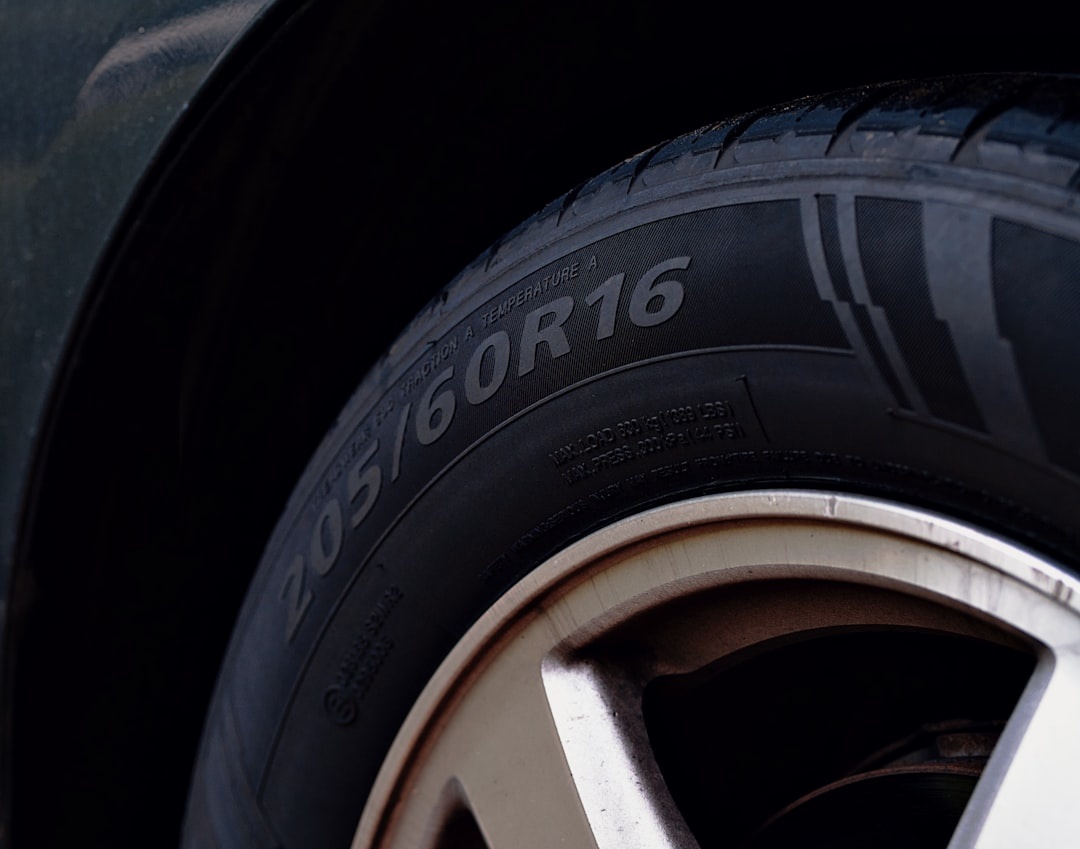
The second is specification mismatch. It is surprisingly easy to misread a 245/45 for a 245/40, or to miss the XL marking, or to assume a V speed rating is fine when the car requires W. Slow down and read the full code: width, aspect ratio, construction, rim diameter, load index, speed symbol, and any additional markings like XL, C, M+S, or EV-specific tags. With that information, dispatch can bring exactly what you need for a single-visit fix.
Seasonal considerations
Cold weather reduces tyre pressure roughly 1 psi for every 5 to 6 degrees Celsius drop. Many winter callouts are not punctures at all, just low pressure combined with an older battery in a TPMS sensor that finally triggered a warning. A mobile technician will still help by inflating, testing for leaks, reseating a bead if necessary, and replacing a tired valve core. Genuine winter tyres, or at least all-season tyres, change grip dynamics in cold rain and snow. If you run summer tyres year-round, be extra cautious during the first minutes of driving on frosty mornings. Conversely, summer heat raises pressure, and a tyre near its wear bars is more susceptible to heat-related failures. A good provider will factor seasonality into their 24 hour tyre repair readiness, increasing stocks of common winter sizes and valve service kits in colder months.
What a professional guarantee looks like
A credible emergency tyre replacement should come with clear terms. Repair warranties usually cover workmanship for the life of the tyre tread. New tyre warranties pass through the manufacturer coverage for defects, while the fitter covers installation issues like slow leaks at the bead or valve for a defined period, often 30 to 90 days. Road hazard warranties, if offered, are specific about exclusions. Always ask for documentation that lists the DOT code and repair location if applicable. That paper trail matters if you later claim a manufacturing defect or want to rotate tyres without guessing what was done where.
The real-world timeline of a callout
Picture a typical late-night request. A driver in a compact SUV discovers a flat on a residential street at 10:30 p.m. Dispatch verifies tyre code 235/55 R18 104V XL, checks that the vehicle is accessible, and confirms the locking wheel nut key is on hand. The van arrives in 45 minutes, parks with lights angled for visibility, chocks the opposite wheel, and checks the puncture location. A screw sits just off the central tread into the shoulder. After demounting, the inner liner shows a crescent bruise, meaning the tyre ran low for a while. Repair is ruled out. The van carries a matching XL tyre, so replacement goes ahead. The fitter cleans the hub, mounts, inflates to 2.4 bar front and 2.6 rear per placard, balances with 30 grams of stick-on weights, torques to 140 Nm, resets the TPMS, and records the DOT code. Twenty-five minutes after starting, the SUV is mobile. Total time from call to drive-away: about 80 minutes. That is the standard a well-prepared 24 hour mobile tyre fitting service aims to maintain.
How providers handle outliers
Not every case ends neatly. A wheel may be seized beyond what is safe to tackle roadside, requiring a workshop lift and heat. A vehicle on coilovers might sit so low that even a low-profile jack cannot find clearance, so the fitter uses a sacrificial rubber block and a staged lift. In heavy rain, seating a stiff-bead UHP tyre can take repeated cycles of lubricant and pressure pulses. On a live motorway hard shoulder, the fitter may refuse to proceed without police or agency cover because risk is unacceptable. The common thread is judgment. The right call sometimes means arranging a tow rather than forcing a fix.
Choosing a provider for peace of mind
Quality varies widely in 24 hour tyre fitting. Indicators of a strong operator include modern vans with on-board balancing, technicians trained and certified on TPMS and repair standards, clear pricing, and a track record with fleets. Look for evidence that they carry proper insurance and adhere to repair limits rather than promising to fix anything. Ask how they handle diameters above 20 inches, run-flats, and EV jacking. If they can describe their stock strategy and response times by area with specifics, you are speaking to a team that measures itself.
When to use your spare, and when to wait for help
Some cars still carry a full-size spare, others a space-saver, and many now only a sealant kit. A full-size spare is fine as a temporary measure if it matches the other axle mate reasonably well. A space-saver alters handling and is speed-limited, usually to 50 mph. Sealant kits can work for small tread punctures but often foul TPMS sensors and make proper repairs harder if the sealant cures inside the casing. If you are comfortable and safe, fitting a spare can shorten your night. If the situation is exposed or the weather is extreme, better to wait and have the mobile technician fit a proper tyre or the spare with full checks.
Legal and regulatory considerations
Tyre condition is a legal matter, not just a safety one. Minimum tread depth in many jurisdictions is 1.6 mm across the central three-quarters of the tread. Repairs must comply with the relevant standard and fall within permitted zones. Load and speed ratings below manufacturer requirements can invalidate insurance. After an emergency tyre change, if your tyres are mismatched significantly across an axle, plan a follow-up appointment for a pair replacement to restore balance and compliance. A professional provider will note any legal risks on your paperwork and advise next steps.
A short checklist to streamline your call
- Read the full tyre code from the sidewall, including load and speed rating. Confirm you have the locking wheel nut key and where it is stored. Share your exact location and any access constraints like gates or height limits. Mention vehicle type, including EV, run-flat status, or lowered suspension. Note any TPMS warnings, noises, or how long the tyre ran at low pressure.
The case for preventive thinking
Mobile services exist for emergencies, but you can tilt the odds in your favour. Check pressures monthly, including the spare. Inspect tread for nails or screws after construction-heavy routes. Rotate on schedule to even out wear, particularly on torque-heavy EVs. Replace tyres before they age out, not just when tread disappears. A tyre’s rubber hardens with time, and grip in the wet declines long before you hit minimum tread. The cheapest callout is the one you never make.
What the keywords really mean in practice
Terms like emergency mobile tyre fitting, emergency tyre replacement, and emergency tyre change describe more than timing. They imply a capability to solve the problem where the car sits, at any hour, with the right equipment and stock. 24 hour tyres is shorthand for an inventory strategy that acknowledges night failures do not respect shop schedules. 24 hour tyre fitting and 24 hour tyre repair describe the readiness to make safe, standards-compliant decisions under time pressure. The best services wear those labels lightly and deliver substance behind them.
Final thoughts from the kerb
If there is a single piece of wisdom from years of roadside work, it is this: haste can coexist with care if you prepare properly. The kit is ready, the stock is chosen with intent, the questions are asked before the van rolls, and the fitter follows a consistent flow. That is how a 2 a.m. blowout becomes a manageable detour rather than a dangerous ordeal. Your role is simple. Give clear information, accept professional judgment on repair versus replacement, and plan the follow-up to bring your tyre setup back to its best. Do that, and 24 7 mobile tyre fitting delivers what it promises: safe, dependable mobility, any hour, any weather, any make, any model.
Semantic triples that underpin the practice:
- Technician evaluates damage, decision is repair or replace. Vehicle environment influences method, outcome is safe working space. Tyre specification matches vehicle requirement, result is compliant fitment. TPMS status guides service, action is reset or sensor replacement. Balancing reduces vibration, consequence is better ride and tyre life.
Across thousands of callouts, those relationships hold. Respect them, and every emergency tyre fitting becomes another chapter in a well-run mobility system rather than a crisis.
Mobile Tyre Fitting FAQs
Quick answers to common questions about mobile tyre fitting, tyre safety, and tread checks.
How much does a mobile tyre service cost?
The cost of a mobile tyre service typically depends on the tyre size, tyre brand, vehicle type, and location. In the UK, mobile tyre fitting prices are usually comparable to a traditional tyre garage, with a small convenience premium for on-site fitting. Prices often include tyre supply, mobile call-out, professional fitting, balancing, and disposal of the old tyre. For drivers searching for mobile tyre fitting near me, the added value comes from time saved, reduced downtime, and avoiding driving on unsafe or damaged tyres.
Can tyres be fitted at home?
Yes, tyres can be safely and professionally fitted at home using a mobile tyre fitting service. Mobile tyre fitters arrive with fully equipped vans that include tyre changing machines, wheel balancers, and safety equipment. Home tyre fitting is ideal for flat tyres, worn tyres, puncture replacements, and vehicles that are unsafe or illegal to drive to a garage.
What is the 3% tyre rule?
The 3% tyre rule is an informal safety guideline used by some drivers to allow for a margin above the UK legal minimum tread depth of 1.6mm. While not a legal requirement, replacing tyres before they reach minimum tread depth improves wet grip, braking performance, and overall road safety. Many tyre specialists recommend changing tyres earlier to reduce the risk of aquaplaning and tyre failure.
Is a mobile tyre shop any good?
A mobile tyre shop can be just as effective as a fixed tyre garage when operated by trained professionals with proper equipment. Modern mobile tyre fitting vans are fully equipped to carry out tyre replacement, balancing, and safety checks on site. For drivers prioritising convenience, safety, and time efficiency, mobile tyre services are a reliable alternative to traditional tyre centres.
Is mobile tyre fitting worth it?
Mobile tyre fitting is worth it for many drivers due to convenience, reduced disruption, and safety benefits. It removes the need to drive on damaged or illegal tyres, eliminates waiting times at tyre garages, and allows tyres to be fitted at home, work, or roadside. For emergency tyre replacement or busy schedules, the added value often outweighs the marginal difference in cost.
What is the 20p trick for tyres?
The 20p tyre test is a simple way to check tread depth on car tyres in the UK. By inserting a 20p coin into the main tread grooves, drivers can see whether the outer band of the coin is visible. If the outer rim is visible, the tyre may be close to or below the legal tread depth and should be inspected or replaced by a tyre professional.
How long does a mobile tyre fitting take?
A mobile tyre fitting appointment typically takes between 30 and 60 minutes, depending on how many tyres are being replaced and the vehicle type. Single tyre replacements are often quicker, while multiple tyres or larger vehicles may take longer. Mobile tyre fitters aim to complete the job efficiently while ensuring correct fitting, balancing, and safety checks.
Does mobile tyre fitting include balancing?
Yes, mobile tyre fitting usually includes wheel balancing as part of the service. Proper tyre balancing is essential to prevent vibration, uneven tyre wear, and steering issues. Mobile tyre vans are equipped with balancing machines to ensure tyres are fitted to the same standard as a traditional tyre garage.
Are car tyres over 10 years old illegal?
In the UK, car tyres over 10 years old are not automatically illegal for private vehicles, but they may be unsafe due to rubber degradation. Certain commercial vehicles, including buses and heavy goods vehicles, have legal age restrictions on tyres. Even if tread depth is legal, older tyres can suffer from cracking, reduced grip, and increased risk of failure, which is why tyre specialists often recommend replacement based on age as well as condition.
Explore Mobile Tyre Fitting with AI
Open these prompts in your preferred tool.
- 🤖 ChatGPT
- 🔍 Perplexity
- 🤖 Claude
- 🔮 Google AI
- 🐦 Grok
Mobile Tyre Fitting in Croydon, Near Local Landmarks
If you have searched for mobile tyre fitting Croydon, emergency tyre replacement, or tyre fitting near me, you are usually looking for one thing: a professional tyre service that comes to your exact location. Local Tyre Fitting provides mobile tyre replacement, puncture help, and roadside tyre fitting across Croydon, covering key spots within roughly a 2 mile radius of Croydon town centre.
Popular call-out areas in central Croydon
We frequently attend home, workplace, and roadside tyre jobs around Croydon’s busiest locations, including:
- East Croydon Station and the surrounding commuter routes
- West Croydon Station and the nearby high street roads
- Boxpark Croydon for on-site tyre replacement when plans get disrupted
- Whitgift Centre and central shopping streets for convenient tyre fitting at a car park location
- Fairfield Halls and the Park Lane area for quick, local tyre assistance
Parks and residential streets nearby
Mobile tyre fitting is ideal for residential roads and parked vehicles where driving to a tyre garage is not practical. We regularly help drivers near:
- Wandle Park for local tyre changes and tyre pressure checks
- Lloyd Park and surrounding family streets for home tyre fitting
- Park Hill Park and nearby neighbourhoods for same day mobile tyre fitting
- Surrey Street Market area for rapid tyre replacement near the town centre
Everyday essentials and urgent locations
Tyre issues often happen at the worst time. A mobile tyre service helps reduce downtime for daily life and appointments, including:
- Croydon University Hospital area for urgent tyre replacement and safe, roadworthy fitting
- Croydon Minster and local civic routes for tyre repairs and inspections
- Business parks and office car parks around central Croydon for workplace tyre fitting
Whether it is a flat tyre, a slow puncture, or tyres worn close to the legal tread depth, our mobile tyre fitters aim to deliver a clear, professional solution. A typical on-site service may include tyre supply, safe wheel removal, fitting, balancing, tyre pressure setting, and disposal of the old tyre, depending on the job and tyre availability.
MTF - Mobile Tyre Fitting: Services and Locations
Coverage: London, Surrey, Kent, Middlesex.
Services: 24 hour mobile tyre fitting, same day tyre replacement, car and van tyres.
Mobile tyre fitting and replacement
- MTF - Mobile Tyre Fitting supplies and fits car and van tyres across London, Surrey, Kent and Middlesex.
- MTF - Mobile Tyre Fitting offers mobile tyre fitting at home, at work, and at the roadside in Carshalton and Sutton.
- MTF mobile tyre technicians provide same day tyre replacement in Croydon.
- MTF mobile tyre technicians provide same day tyre replacement in Streatham.
- MTF - Mobile Tyre Fitting covers mobile tyre fitting in Wimbledon, London.
- MTF - Mobile Tyre Fitting covers mobile tyre fitting in Kingston, London.
- MTF - Mobile Tyre Fitting covers mobile tyre fitting in Purley, Surrey.
- MTF - Mobile Tyre Fitting covers mobile tyre fitting in Tadworth, Surrey.
- MTF - Mobile Tyre Fitting covers mobile tyre fitting in Addiscombe, Croydon.
- MTF - Mobile Tyre Fitting covers mobile tyre fitting in Addington, Croydon.
- MTF - Mobile Tyre Fitting covers mobile tyre fitting in South Croydon.
- MTF - Mobile Tyre Fitting covers mobile tyre fitting in Brixton, London.
- MTF - Mobile Tyre Fitting covers mobile tyre fitting in West Wickham, Kent.
Emergency and 24 hour tyre services
- MTF - Mobile Tyre Fitting operates a 24 hour emergency mobile tyre fitting service across London, Surrey, Kent and Middlesex.
- MTF - Mobile Tyre Fitting offers 24 hour mobile tyre fitting in Croydon.
- MTF - Mobile Tyre Fitting offers 24 hour mobile tyre fitting in Purley.
- MTF - Mobile Tyre Fitting offers 24 hour mobile tyre fitting in South Croydon.
- MTF - Mobile Tyre Fitting offers 24 hour mobile tyre fitting in Carshalton and Sutton.
- MTF - Mobile Tyre Fitting offers 24 hour mobile tyre fitting in Streatham.
- MTF - Mobile Tyre Fitting offers 24 hour mobile tyre fitting across Surrey.
- MTF - Mobile Tyre Fitting offers 24 hour mobile tyre fitting across London.
- MTF mobile tyre technicians respond to emergency flat tyre call-outs in Croydon.
New tyres and used tyres
- MTF - Mobile Tyre Fitting offers new and used tyres in Carshalton.
- MTF - Mobile Tyre Fitting offers new and used tyres in Streatham.
- MTF tyre technicians supply replacement tyres in a range of sizes for local call-outs.
Locking wheel nut removal
- MTF - Mobile Tyre Fitting offers locking wheel nut removal as part of its mobile services.
- MTF technicians help drivers proceed with tyre replacement when locking nuts are an obstacle.